
How to Install a Downpipe Extension?
Before Bristol Blocked Drains dive into How to Install a Downpipe Extension, let’s understand the importance of a downpipe extension. Rainwater can erode soil, flood basements, and damage your home’s foundation. A downpipe extension helps direct water away from your home, mitigating these issues. Now, let’s get started with the Downpipe Extension installation.
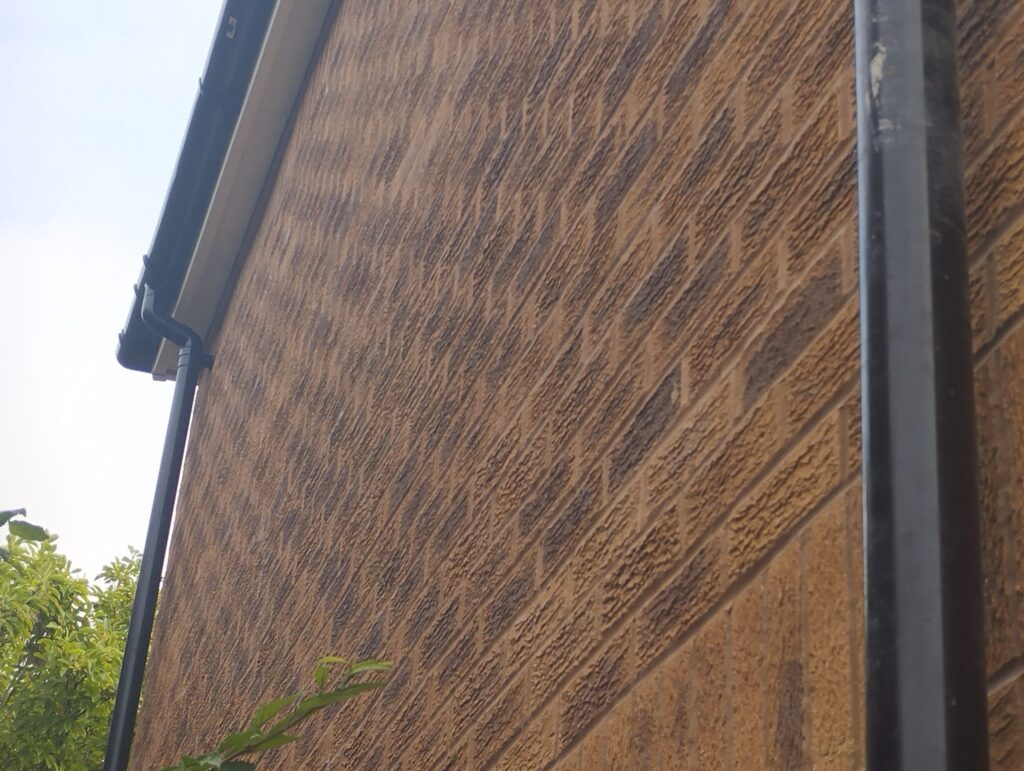
Installing a downpipe extension might seem like a small task, but it’s a crucial part of maintaining your home’s drainage system. Whether you’re looking to extend a downpipe, install a flexible extension, or connect two downpipe extensions, this guide will walk you through the process. By the end, you’ll be well-equipped to tackle this home improvement project with confidence.
What is a Downpipe Extension?
A downpipe extension is an attachment added to the bottom of a downpipe to redirect water further away from your home’s foundation. This helps to prevent water from pooling around the base of your house, which can cause significant damage over time.
Why Install a Downpipe Extension?
Installing a downpipe extension is vital for protecting your home from water damage. Without it, rainwater can erode the soil around your foundation, leading to cracks and leaks. A properly installed extension directs water to a safe drainage area, keeping your foundation dry and intact.
Selecting the appropriate location for your downpipe extension is crucial. Look for areas where water accumulation is a problem, and ensure the extension slopes away from your home. Avoid positioning it near walkways or driveways, as it can be a tripping hazard.

Downpipe Extension Installation
- Measure the Existing Downpipe: First, measure the diameter of your existing downpipe to ensure the extension fits perfectly. Also, measure the distance you want to extend the downpipe to determine the length of the extension you’ll need. Use a hacksaw or tin snips to cut the downpipe to the desired length. Ensure a slight slope away from your home.
- Choose the Right Extension: Depending on your needs, choose between a rigid or flexible downpipe extension. Rigid extensions are ideal for straight paths, while flexible extensions are better suited for uneven terrain or areas that require curves.
- Prepare the Downpipe: If your downpipe is too long, use a hacksaw to cut it down to the appropriate length before attaching the extension. Ensure the cut is clean and even to facilitate a snug fit.
- Attach the Downpipe Extension: Slide the extension onto the downpipe. For a secure fit, you may need to use a screwdriver to tighten any clamps or brackets that come with the extension. Ensure the extension is pointing in the desired direction to direct water away from your home. Attach the downpipe elbow to the cut end of the downpipe, directing it towards the desired location. Connect the downpipe extension to the elbow. Use screws to secure the connections, ensuring they are tight and leak-free.

- Secure the Extension: To keep the extension in place, consider using pipe brackets. These can be attached to the wall and around the extension to provide extra support, preventing it from shifting during heavy rain. Secure the downpipe extension in place. You can use straps or brackets to attach it to the side of your home or the ground. Make sure it is stable and won’t move during heavy rainfall.
- Test the System: Once the downpipe extension is in place, test the system by running water through it. Ensure that water flows freely through the downpipe and extension, away from your home’s foundation. Adjust the slope or connections if necessary.
How to Install a Flexible Downpipe Extension?
- Unroll the Flexible Downpipe Extension: Flexible downpipe extensions come rolled up, so unroll it fully before starting the installation. This will make it easier to measure and cut if necessary.
- Attach the Flexible Downpipe Extension: Flexible Downpipe extensions often have a bell-shaped end that fits over the downpipe. Slide this end onto the downpipe and secure it with a clamp or zip tie.
- Position the Flexible Downpipe Extension: Position the extension so that it directs water to your desired location. You can bend and curve the flexible extension to follow the natural contours of your garden.

To keep your Flexible downpipe extension in excellent condition, clean it regularly to prevent Downpipe clogs. Inspect it for damage, and replace any parts that show signs of wear and tear. Additionally, consider using a splash block at the Downpipe extension’s end to further direct water away from your home.
How to Extend a Downpipe?
If your downpipe isn’t long enough, you can easily extend it using an additional section of downpipe or an extension. Simply measure the required length, cut the extension to size, and attach it following the steps mentioned above.
Installing a downpipe extension is a straightforward yet essential task for homeowners. By redirecting rainwater away from your home’s foundation, you can prevent costly water damage and foundation issues. Follow these steps, and your home will remain protected and dry for years to come.
How to Keep Downpipe Extensions in Place?
Keeping your downpipe extension in place is crucial for effective drainage. Here are some tips on How to Keep Downpipe Extensions in Place:
- Use Pipe Brackets: Secure the extension with brackets attached to the wall.
- Add Weight: Place a brick or stone at the end of the extension to prevent it from moving.
- Bury the End: Burying the end of the extension slightly in the soil can also help keep it secure.

Connecting Two Downpipe Extensions
- Get a Connector: To connect two downpipe extensions, you’ll need a connector that fits both ends. These are usually available at hardware stores and come in various sizes to match your downpipe diameter.
- Attach the First Downpipe Extension: Slide the first Downpipe extension onto the downpipe and secure it as usual.
- Add the Connector: Attach the connector to the end of the first Downpipe extension. Ensure it’s a tight fit to avoid leaks.
- Attach the Second Downpipe Extension: Finally, slide the second Downpipe extension onto the other end of the connector. Secure it with a clamp or bracket to keep it in place.
How to Install Downpipe Extension Underground?

- Plan Your Trench: Before installing a downpipe extension underground, plan the path where the extension will go. Mark it out with string or spray paint, and ensure the trench will lead water to a safe drainage area.
- Dig the Trench: Dig a trench that’s deep enough to accommodate the Downpipe extension and sloped slightly away from your house. This will help water flow smoothly through the Downpipe extension.
- Install the Downpipe Extension Underground: Lay the downpipe extension in the trench, ensuring it fits snugly to the downpipe above ground. Cover it with soil, leaving the end of the Downpipe extension exposed to allow water to flow out.
- Secure the End: To prevent the Downpipe extension from shifting, secure the end with a stake or weight.
FAQs about Downpipe Extensions
How long should my downpipe extension be? The length of your downpipe extension depends on your specific needs, but it should extend at least 3-4 feet away from your home’s foundation.
What materials and tools are best for downpipe extensions? Downpipe extensions are typically made of PVC, aluminum, or flexible plastic. Choose one that suits your budget and preferences. Generally, you only need basic tools like a hacksaw and screwdriver. A measuring tape and pipe brackets may also be helpful.
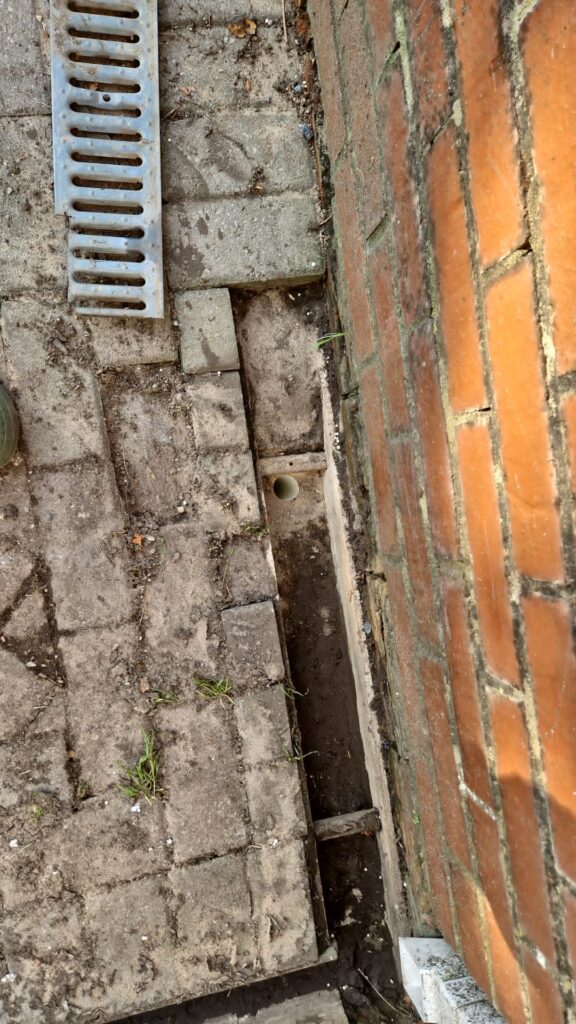
How often should I clean my downpipe extension? It’s recommended to clean your downpipe extension at least twice a year, more often if you have a lot of debris in your area.
Do I need a professional to install a downpipe extension if my home has a basement? While it’s possible to install a downpipe extension yourself, if you have concerns about water getting into your basement, consulting Blocked Drain Bristol is a wise choice.
How long do downpipe extensions last? With proper installation and maintenance, downpipe extensions can last for several years. Regularly check for wear and tear to ensure the downpipe extensions remain effective.
Can I use multiple extensions on one downpipe? Yes, you can connect multiple extensions using connectors, as long as they fit securely and direct water away from your foundation.
Should I bury my downpipe extension? Burying a downpipe extension can be beneficial if you want to direct water underground or prevent the extension from moving.