
The Purpose of a Backwater Valve in a Drain System
In the world of plumbing and drainage systems, the term “backwater valve” may not be as familiar as faucets or pipes, but it plays a crucial role in protecting your property from potential flooding and sewer backups. In this The Purpose of a Backwater Valve in a Drain System guide, we will delve into the purpose of a backwater valve in a drain system, its significance, and why every homeowner should consider having a Backwater Valve installed.
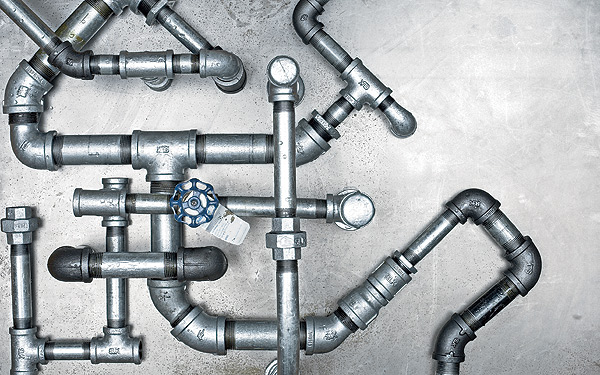
Imagine waking up to a flooded basement or a sewer backup in your home. It’s a homeowner’s worst nightmare. Fortunately, there is a practical solution to prevent such disasters – the backwater valve.
Where is backwater valve located?
A backwater valve, also known as a backflow prevention valve or sewer backup valve, is a plumbing device designed to protect your property from sewage backup during heavy rainfall or when the municipal sewage system becomes overloaded. The backwater valve is usually located in the basement floor, near the sewer line or sump pump. It acts as a barrier to prevent sewage from flowing back into your home’s plumbing system.
Backwater valve floor drain
The operation of a Backwater valve floor drain is relatively simple yet highly effective. The Backwater valve floor drain is installed in the main sewer line and has a one-way flap or gate mechanism. Under normal conditions, wastewater flows freely from your property into the municipal sewer system. However, when there is a surge of water coming back from the public sewer line, the valve automatically closes, blocking the reverse flow of sewage into your home.

Backwater valve installation cost
The cost can vary depending on your location and the type of backwater valve chosen. The cost of installing a backwater valve can be anywhere from £250 to £1,000. The primary purpose of a backwater valve is to protect your property from flooding and sewage backups. It serves as a crucial line of defense against water damage, which can be both costly and emotionally distressing.
Many municipalities now require the installation of backwater valves, especially in flood-prone areas. Failure to comply with these regulations can result in hefty fines.
Sewage backups not only cause property damage but also pose serious health risks. They can lead to contamination and the spread of diseases. Installing a backwater valve is a responsible step in ensuring the health and well-being of your family.
What Does a Backflow Valve Do?
Backflow is a plumbing term that refers to the unwanted reversal of the flow of water. It can occur when the pressure in the pipes drops, allowing contaminated water to flow back into the clean water supply. Backflow typically happens when there’s a significant change in pressure, such as during a burst pipe or when a large amount of water is drawn from the system, like when fighting a fire. The main risk of backflow is contamination. When dirty water from the ground, storage tanks, or other sources flows back into your clean water supply, it can lead to serious health hazards.

A backflow valve is a device installed in your plumbing system to prevent backflow. It ensures that water flows in only one direction – from your supply into your home – and not the other way around.
- Preventing Contamination: The primary function of a backflow valve is to protect your drinking water from contamination. By blocking reverse flow, it keeps pollutants and contaminants out of your water supply.
What does a backwater valve look like
There are several types of backflow valves, including:
- Double check valves: These have two check valves in series for extra security.
- Reduced pressure zone (RPZ) valves: These are used in high-risk areas to provide maximum protection.
- Air gaps: A simple but effective solution where the supply pipe ends above the flood level of a fixture.
Backwater valve installation
Installing a backflow valve is best left to a professional drainage company near me, as it involves working with your home’s main water line. Regular maintenance is also crucial to ensure the valve functions correctly, typically involving annual inspections.

How do i know if I have a backwater valve?
There are two main types of backwater valves: flap gate valves and gate valves. Flap gate valves are the most common and cost-effective option. They use a hinged flap to block reverse flow. Gate valves, on the other hand, use a sliding gate mechanism and are typically more expensive but offer better sealing. Look in your basement to find out if you have a backwater valve, because Backwater valves are usually located in the floor of your basement.
What is the backwater valve on the main drain?
Installing a backwater valve requires professional Blocked Drain Bristol expertise. It is typically placed in the main sewer line just before it exits your property. The backwater valve installed on the main building drain allows for the free circulation of air. Backwater valve on the main drain will protect the entire building from backflow. A skilled drain engineer will assess your property’s layout and determine the best location for the backwater valve installation.
What is the main drain valve used for?

The main drain is the primary means of flushing water from the drainage system. Regular maintenance is essential to ensure that your backwater valve functions correctly when needed. Periodic inspections by a qualified plumber can identify and address any issues before they become significant problems.
How does a backwater valve work?
- Unpleasant Odors: If you notice foul smells coming from your drains, it could be a sign of a malfunctioning backwater valve.
- Slow Drainage: Slow drainage in your sinks, tubs, or toilets may indicate a problem with the valve.
- Water Seepage: Any water seepage or dampness in your basement or lower floors should be investigated promptly.
Sewer backflow preventer
The backflow valve has a Single Flap that allows sewage to flow through it from one direction. Installing a backwater valve offers several benefits, including:
- Peace of Mind: Knowing that your property is protected from sewage backups provides peace of mind.
- Compliance: It ensures compliance with local regulations, avoiding potential fines.
- Health and Safety: Protecting your family’s health and safety is paramount.
What is the purpose of the backwater valve?
A backwater valve prevents outbound water from flowing back into a home. Before installing a backwater valve, check with your local authorities or building codes to ensure compliance with regulations specific to the Bristol area.

Selecting the appropriate backwater valve for your property depends on factors such as your budget, property layout, and local Bristol regulations. Consult with a professional drainage company to make an informed decision.
Can I install a backwater valve myself?
It is highly recommended to have a qualified person to install a backwater valve to ensure it functions correctly and complies with local regulations.
Will a backwater valve require maintenance?
Yes, regular backwater valve maintenance is essential to ensure the valve operates effectively. A professional should inspect your backwater valve periodically.
Does homeowner’s insurance cover damage from sewer backups?

If a homeowner’s insurance cover damage from sewer backups depends on your insurance policy. Some policies may offer coverage for damage from sewer backups, while others may require additional endorsements.
How long does a backwater valve typically last?
With proper maintenance, a backwater valve can last for many years, providing long-term protection for your property.
Read about soil erosion near your foundation.
What’s the best way to prevent backflow in my home?
Installing a backflow valve and maintaining it regularly is the most effective way to prevent backflow.
In summary, a backwater valve is a vital component of your home’s drainage system, offering protection against flooding and sewer backups. Investing in a backwater valve not only safeguards your property but also ensures compliance with local regulations and promotes the health and safety of your family.
Don’t wait until disaster strikes. Get peace of mind by installing a backwater valve to protect your home and loved ones.