
What’s the Significance of Proper Grading for Drainage?
Proper grading for drainage is a crucial aspect of landscaping and construction that often goes unnoticed but plays a pivotal role in the overall functionality and aesthetics of any property. Whether you’re planning a residential garden, commercial space, or a new construction project, understanding the significance of proper grading for drainage is essential. In this article, we will delve into the importance of grading, how it affects your property, and why it should never be underestimated.
1. Introduction
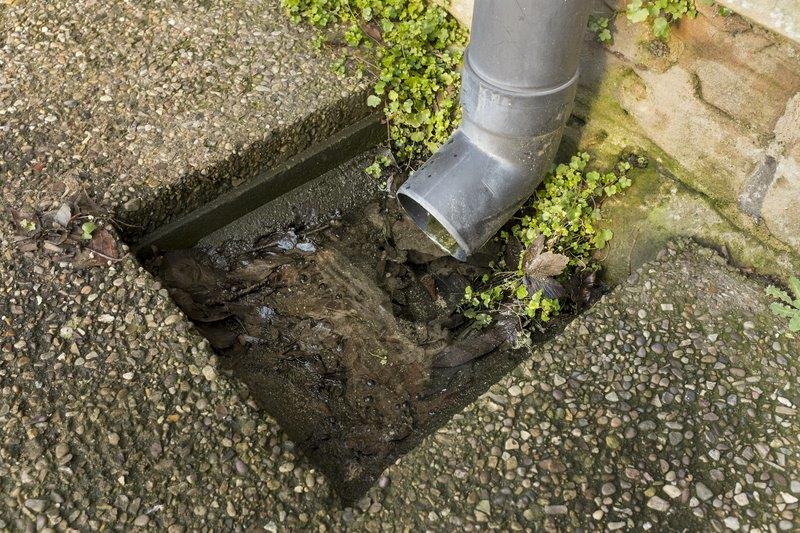
Proper grading is the process of leveling and shaping the land to ensure efficient water drainage. It involves manipulating the slope and elevation of the terrain to direct rainwater away from structures and towards designated drainage areas.
2. Understanding Grading for Drainage
Grading is not just about making the land look aesthetically pleasing; it’s about functionality. When done correctly, it prevents water from pooling around your property, which can lead to various issues.
3. Preventing Erosion
One of the primary benefits of proper grading is erosion control. Without adequate grading, rainwater can wash away soil, leaving your property vulnerable to erosion, which can damage landscaping and structures.
4. Flood Prevention
Effective grading prevents water from collecting in low-lying areas, reducing the risk of flooding during heavy rainfalls. This is especially important in areas prone to storms and heavy precipitation.
5. Foundation Protection
Improper grading can allow water to flow towards your foundation, leading to costly damage. Proper grading ensures water is directed away from your home’s base, protecting its structural integrity.
6. Improving Aesthetics
While functionality is crucial, proper grading can also enhance the visual appeal of your property. A well-graded landscape looks more polished and well-maintained.
7. Promoting Plant Health
Proper drainage prevents over-saturation of the soil, promoting healthy plant growth. It also reduces the risk of root rot and other water-related plant diseases.
8. Ensuring Safety
Puddles and standing water can create slip hazards and mosquito breeding grounds. Proper grading helps maintain a safe environment for your family, guests, or customers.
9. Local Regulations and Permits
Many municipalities have strict regulations regarding grading and drainage. Failing to comply with these regulations can result in fines and delays in your project.
10. Choosing the Right Grading Professional
To ensure proper grading, it’s essential to hire Blocked Drain Bristol or an experienced grading professional who understands the local topography and drainage requirements.
11. Maintenance and Monitoring
Grading isn’t a one-time job. Regular maintenance and monitoring are necessary to ensure your drainage system continues to function correctly.
12. Common Grading Mistakes to Avoid
Avoiding common grading mistakes, such as improper slope angles and insufficient drainage systems, is crucial to reaping the benefits of proper grading.
Proper grading for drainage is not just about aesthetics; it’s about safeguarding your property from a range of potential issues. From erosion control to flood prevention, foundation protection to plant health, and overall safety, the significance of proper grading cannot be overstated.
For more information on how to ensure proper grading for your property, consult with a qualified grading professional. Don’t underestimate the importance of this often-overlooked aspect of landscaping and construction.
FAQs
1. How can I tell if my property needs grading for drainage?
Assess your property after heavy rain. If you notice standing water or soil erosion, it’s a sign that grading may be necessary.
2. Are there any DIY grading solutions?
While some minor grading can be done by homeowners, it’s often best to hire a professional to ensure proper results and compliance with local regulations.
3. What is the cost of grading for drainage?
The cost of grading varies depending on the size of your property, the complexity of the job, and local labor rates. It’s best to obtain quotes from grading professionals.
4. Can improper grading affect the resale value of my property?
Yes, improper grading can negatively impact the resale value of your property, as it may lead to water damage and structural issues.
5. Is grading required for all types of landscapes?
Grading is essential for landscapes with slopes or areas prone to water accumulation. However, it may not be necessary for flat, well-draining properties. Consult a professional for guidance.