
What’s the Purpose of a Grease Traps in Commercial Kitchens in Bristol?
In the bustling world of commercial kitchens, efficiency is paramount. However, maintaining clean drains and safe environment is equally important. One often-overlooked yet crucial element in this equation is the grease trap. But what exactly is the purpose of a grease trap in commercial kitchens? This article aims to answer that question ”What’s the Purpose of Grease Traps in Commercial Kitchens”, shedding light on why Grease Traps play a vital role in the foodservice industry.
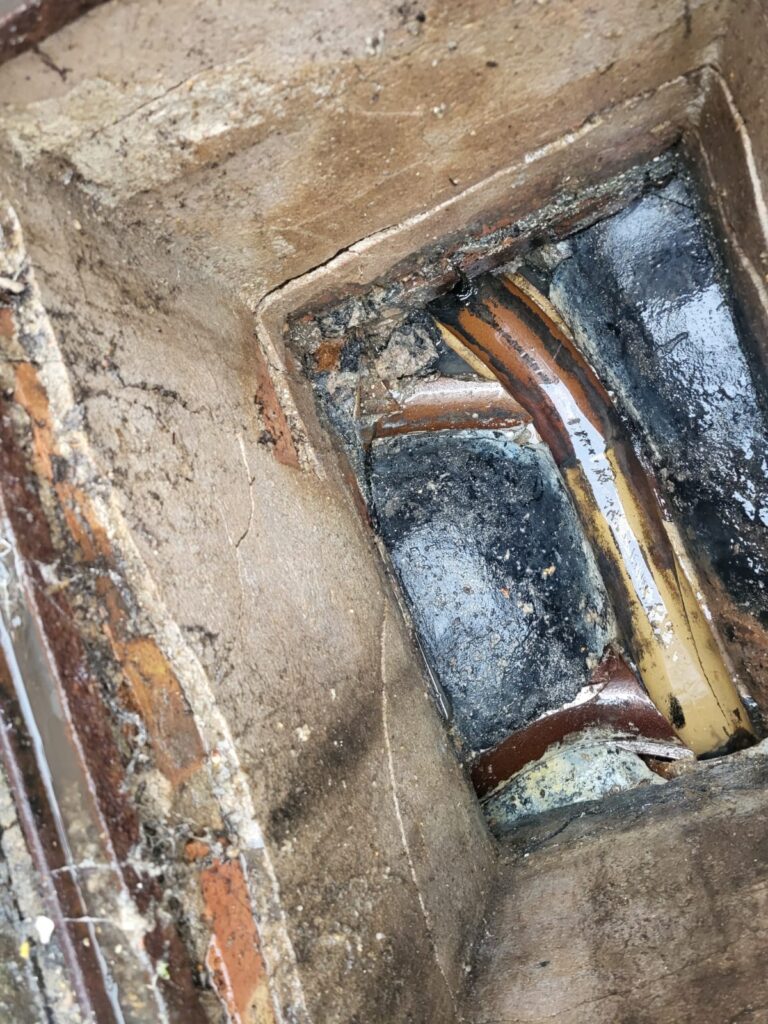
Grease traps for commercial kitchens UK
Before delving into the purpose of Grease traps for commercial kitchens UK, let’s first grasp what grease traps are:
- What is a Grease Trap?
- A grease trap, also known as a grease interceptor or grease recovery device, is a plumbing device designed to intercept and capture fats, oils, and grease (FOG) from wastewater before it enters the sewage system.
- How Does It Work?
- Grease traps function by slowing down the flow of wastewater, allowing FOG to separate and float to the surface. Cleaned water then continues down the drain while the trapped FOG is contained within the trap.
- Grease Trap Types
- There are various types of grease traps, including passive hydromechanical, automatic, and gravity grease traps, each with its own mechanism.

The Purpose of Grease traps for kitchens
Now that we have a basic understanding of grease traps, let’s explore the purpose of Grease traps for kitchens:
- Preventing Drain Clogs
- Grease, fats, and oils can solidify within plumbing pipes, leading to blockages and backups. Grease traps intercept FOG, preventing them from entering the drainage system and causing clogs.
- Complying with Regulations
- Most jurisdictions have strict regulations regarding FOG disposal. Commercial kitchens are required to have grease traps to adhere to these environmental standards.
- Protecting the Environment
- When FOG enters the sewage system, it can accumulate in sewer lines and ultimately lead to environmental pollution. Grease traps help mitigate this pollution by capturing FOG before it can cause harm.

- Maintaining Kitchen Efficiency
- Clogs and backups caused by FOG can disrupt kitchen operations. Grease traps ensure that wastewater flows smoothly, reducing downtime and the need for costly plumbing repairs.
- Avoiding Odors
- Accumulated FOG can emit foul odors. Grease traps help mitigate these unpleasant smells, creating a more comfortable working environment for kitchen staff.
- Extending the Life of Plumbing
- Grease can corrode pipes over time. By preventing FOG from entering the plumbing system, grease traps extend the lifespan of kitchen plumbing.
- Enhancing Food Safety
- The presence of FOG can contaminate food preparation surfaces. Grease traps reduce the risk of cross-contamination, helping maintain food safety standards.
Read about toilet unblocking.
Are grease traps a legal requirement in the UK?

In the fast-paced world of commercial kitchens, grease traps may not be in the spotlight, but their purpose is undeniable. Are grease traps a legal requirement in the UK? These unassuming devices play a critical role in maintaining kitchen efficiency, complying with regulations, legal requirements and protecting the environment. By understanding the purpose of grease traps and ensuring their proper maintenance, commercial kitchens can continue to operate smoothly while minimizing their environmental footprint.
To ensure that grease traps continue to serve their purpose effectively, regular maintenance and cleaning are essential:
- Grease traps should be cleaned and emptied on a scheduled basis, depending on their size and usage.
- Proper disposal of collected FOG is crucial to prevent environmental harm.
- Regular inspections help identify any issues with the grease trap’s functionality.
Does a Commercial Kitchen Need a Grease Trap?
Grease trap Regulations UK
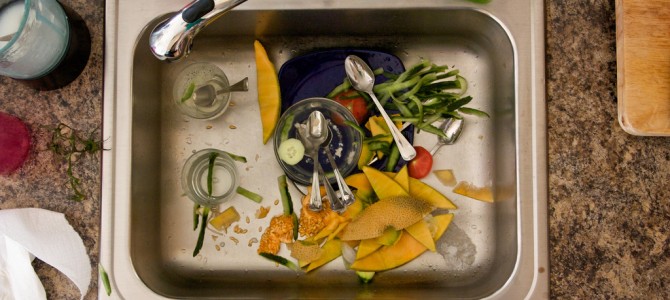
A commercial kitchen generates significant amounts of grease and fat during cooking. These substances can easily clog the drainage system, leading to severe plumbing issues. A grease trap is essential in preventing such blockages by capturing grease before it enters the sewer system. There are Grease trap Regulations UK that helps in maintaining the efficiency of the kitchen’s drainage system.
Legal Requirements for Grease Traps
In many regions, grease traps are not just a recommendation but a legal requirement for commercial kitchens. Local authorities enforce regulations to ensure that businesses comply with proper waste management practices. Failing to install a grease trap can result in hefty fines and even the closure of the business. Therefore, it’s crucial to adhere to these regulations.
Grease traps in commercial kitchens for sale
Without a grease trap, fats and oils can enter the sewage system, leading to environmental damage. These substances can cause blockages in public sewers, resulting in overflows and contamination of local water sources. A grease trap helps in reducing this environmental impact, making the kitchen operation more sustainable. If you are managing a commercial kitchen then look for Grease traps in commercial kitchens for sale to decrease the environmental damage.

Best grease traps in commercial kitchens
While installing a grease trap involves an initial cost, it is a cost-effective solution in the long run. Regular maintenance of the Best grease traps in commercial kitchens ensures that it functions optimally, preventing expensive repairs to the drainage system. By investing in a grease trap, a commercial kitchen can avoid unexpected costs and downtime due to plumbing issues.
Grease traps for kitchens
Grease traps for kitchens are essential components for any commercial kitchens. It not only meets grease trap legal requirements but also contributes to environmental protection and cost savings. Grease trap installation and maintaining a grease trap ensures smooth kitchen operations, making it a wise investment for any foodservice business.
Asked the following Questions if your restaurant needs a grease trap

How often should a grease trap be cleaned?
- The frequency of cleaning depends on the size of the grease trap and the volume of FOG it collects. Generally, it should be cleaned every 1 to 3 months.
Can I clean a grease trap myself?
- Cleaning grease traps should be performed by trained professionals, like, Blocked Drain Bristol, due to the potential health hazards and environmental regulations associated with FOG disposal.
Are there any alternatives to grease traps?
- While grease traps are the most common solution, some kitchens may opt for grease interceptors or automatic grease removal systems based on their specific needs.
What happens to the collected FOG?
- Collected FOG is typically disposed of by licensed waste management companies, who often recycle it for various purposes.
Are grease traps required for all commercial kitchens?
- Regulations vary by location, but in many jurisdictions, grease traps are mandatory for any commercial kitchen that handles FOG-producing substances. It’s essential to check local regulations and requirements.