
Drain Blockages
Blocked drains are more than just an annoyance – Drain Blockages can lead to serious drainage issues and damage your property. From minor drain clogs that cause slow draining to severe blockages that result in backups and overflows, understanding the nature of drain blockages is essential for any homeowner or business. By identifying the type of blockage, understanding its cause, and applying the right solution, you can maintain a smooth and efficient plumbing system.
Types of Drain Blockages
Blocked drains Bristol can occur in various parts of your plumbing and drainage system. Recognizing where the drain blockage is happening can help in choosing the right drain unblocking solution. Below are the most common types of drain blockages.
Kitchen Drain Blockages
Kitchen sinks are particularly prone to blockages due to the constant disposal of food particles, grease, and oil. Over time, these substances can accumulate in the pipes, causing slow draining or complete blockage. The common culprits include:
- Food scraps that are not adequately rinsed away.
- Grease and oil that solidify in the pipes.
- Coffee grounds and eggshells, which can accumulate and create clogs.
Bathroom Drain Blockages
Bathroom drains face blockages primarily due to hair, soap scum, and other personal care products. The most affected areas include:
- Shower and bathtub drains, which accumulate hair and soap residue.
- Sink drains, where toothpaste and hair can cause slow draining.
- Toilet blockages, often resulting from flushing inappropriate items like wipes and sanitary products.
Toilet Blockages
Blocked toilets due to excessive toilet paper use, flushing non-flushable items, or even due to the design of the toilet itself. These blockages can lead to severe plumbing issues if not resolved quickly.
Main Sewer Line Blockages
The main sewer line connects all the plumbing fixtures in a home to the municipal sewer system. Blockages in this line are serious and can result in sewage backups. Common causes include:
- Tree roots infiltrating the sewer line.
- Large objects or non-degradable items being flushed.
- Collapsed or damaged pipes.
Causes of Drain Blockages
Identifying the cause of a blockage is the first step in resolving it. Here are some of the most frequent causes of drain blockages:

- Grease and Oil Buildup – When hot grease or oil is poured down the sink, it cools and solidifies, sticking to the inner walls of pipes. Over time, this buildup narrows the pipe’s diameter, leading to blockages. This drain issue is most common in kitchen drains.
- Hair and Soap Scum – Hair is a primary contributor to bathroom drain blockages. It can combine with soap scum and other debris to form a solid mass that restricts water flow. This problem is prevalent in shower and bathtub drains.
- Foreign Objects – Foreign objects such as toys, jewelry, or small personal items can accidentally fall into drains or toilets, causing blockages. These are more common in households with young children.
- Tree Roots – Tree roots can invade sewer lines, especially older clay pipes, seeking moisture and nutrients. As the roots grow, they can cause significant blockages and even break the pipes.
- Mineral Buildup – In areas with hard water, minerals can accumulate in pipes over time, reducing water flow and causing blockages. This buildup, known as limescale, is more common in older plumbing systems.
Solutions to Drain Blockages
Several methods can be employed to clear drain blockages, ranging from simple DIY techniques to professional interventions.

- Boiling Water: Pouring boiling water down the drain can help dissolve grease and soap scum. This method is most effective for minor blockages in kitchen sinks and bathroom drains.
- Baking Soda and Vinegar: A mixture of baking soda and vinegar can create a fizzing reaction that helps break down minor clogs. Pour half a cup of baking soda followed by half a cup of vinegar down the drain, wait for 15 minutes, and then flush with hot water.
- Plunger: A plunger can be an effective tool for dislodging clogs in sinks, toilets, and bathtub drains. Ensure a tight seal around the drain opening and plunge vigorously to clear the blockage.
- Chemical Drain Cleaners: Chemical drain cleaners are commercially available products that use harsh chemicals to dissolve clogs. While effective, they can be harmful to pipes and the environment if used excessively. Use them sparingly and follow the manufacturer’s instructions carefully.
- Drain Snake: A drain snake, or plumber’s snake, is a flexible tool that can reach deep into pipes to break up and remove clogs. It is particularly useful for hair and other debris in bathroom drains.
- Auger: An auger is a more powerful version of a drain snake, designed for clearing stubborn blockages in toilets and main sewer lines. It requires careful handling to avoid damaging pipes.
- Professional Drainage Services: When DIY methods and basic tools fail, it’s time to call in a professional drain engineer. They have the expertise and equipment to handle severe blockages, including:
- Hydro jetting, which uses high-pressure water to clear stubborn clogs and clean pipe walls.
- Video inspection, which allows plumbers to identify the exact location and nature of a blockage.
- Pipe repair and replacement, which may be necessary for damaged or collapsed pipes.
Preventing Drain Blockages
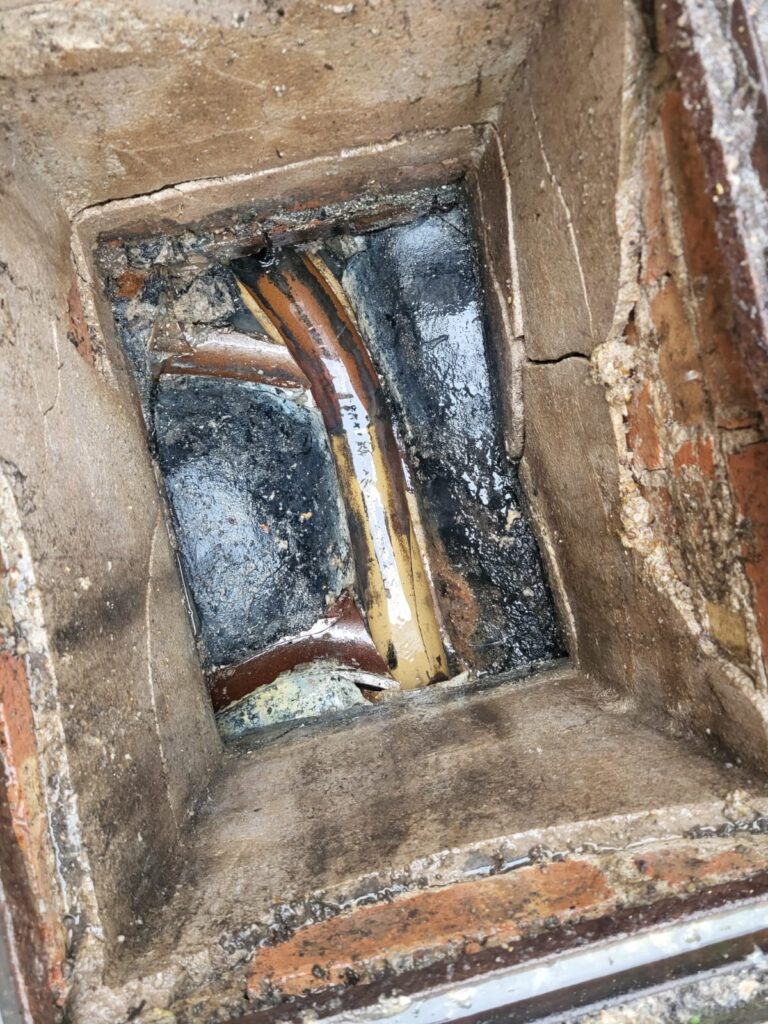
Preventing Bristol blocked drains is more cost-effective and less stressful than dealing with drain blockages after they occur. Here are some tips to keep your drains flowing smoothly:
- Regular Drain Maintenance
- Clean drains regularly with baking soda and vinegar or commercial drain cleaners.
- Use drain covers to catch hair and food particles before they enter the pipes.
- Flush pipes with hot water weekly to prevent grease and soap scum buildup.
- Proper Waste Disposal Practices
- Avoid pouring grease and oil down the sink; instead, collect them in a container for disposal.
- Dispose of food scraps in a compost bin rather than washing them down the drain.
- Do not flush non-degradable items like wipes and sanitary products down the toilet.
- Monitor Tree Growth
- Inspect and trim trees near sewer lines regularly to prevent root infiltration.
- Consider installing root barriers or replacing old clay pipes with modern materials to prevent root damage.
What is Drain Blockage?
Drain blockages are a common yet manageable drain problem. By understanding the types of blockages, their causes, and the appropriate solutions, you can maintain a healthy plumbing system and prevent costly repairs. Regular maintenance and mindful disposal practices are key to avoiding future blockages and ensuring your drains remain free-flowing.
For persistent or severe blockages, seeking professional drainage services is the best course of action to ensure the drain problem is resolved efficiently and effectively.
Here at Bristol Drain Unblocking, we deal with many different types of blockage and confident we’ll have the right experience and tools to get through any blockage.