
What’s the Lifespan of a Typical Drainage System?
In the world of construction and infrastructure, drainage systems are the unsung heroes that help keep our surroundings dry and safe. They play a crucial role in managing stormwater, wastewater, and preventing flooding. But have you ever wondered about the Lifespan of Drainage Systems? In this article, Blocked Drains Bristol will dive into the intricacies of drainage systems, exploring how long they typically last and what factors can affect their durability.
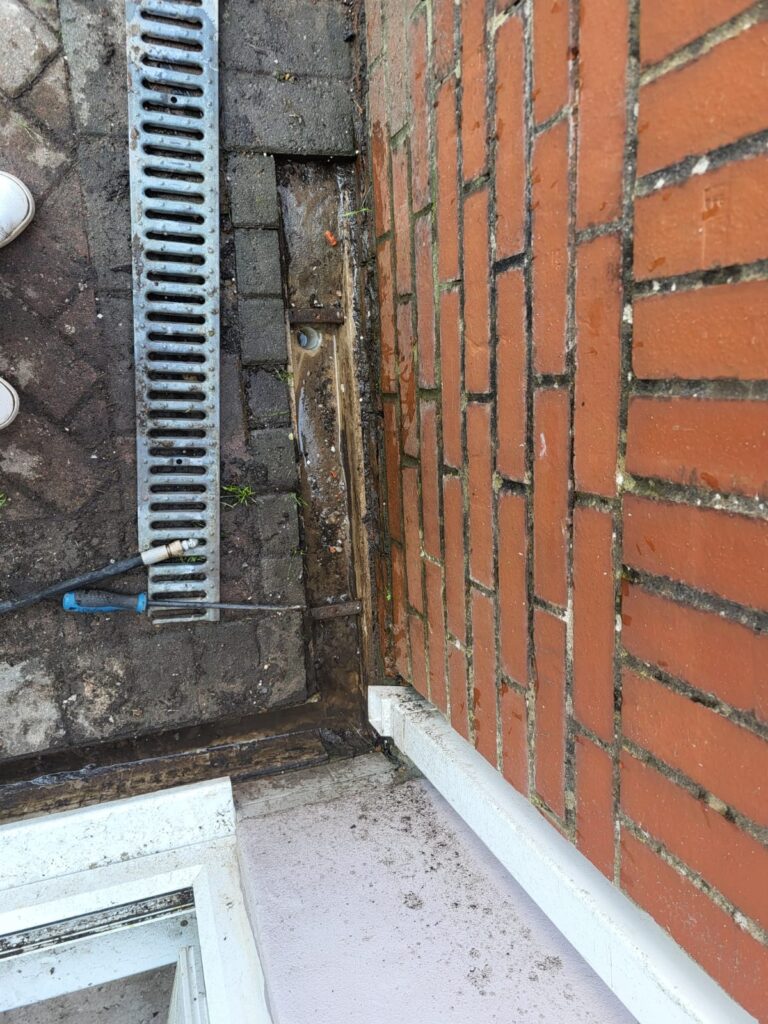
Drainage systems are the unsung heroes of modern infrastructure. They keep our homes, roads, and cities free from the devastating effects of excess water, preventing floods and protecting our property. But like all things, drainage systems don’t last forever. Have you ever wondered how long these systems actually last? Or how to tell if your storm drain is clogged? You’re in the right place! This article will walk you through the ins and outs of drainage systems, their lifespan, and how to spot a blockage before it becomes a major issue.
What Are Drainage Systems?
At its core, a drainage system is designed to remove excess water from an area. There are two main types: surface drainage, which deals with removing water that collects on the ground’s surface, and subsurface drainage, which handles water that has soaked into the soil. Both types are crucial in managing water flow, whether in a residential garden or an entire city.
Before delving into Drainage System lifespan, let’s start by understanding what drainage systems are and their various components.
Components of a Drainage System

A typical drainage system consists of the following components:
- Drainage Pipes: These are the conduits that carry water away from buildings and roads. They can be made of various materials, including PVC, concrete, and metal.
- Drainage Basins: These are collection points for stormwater. They are designed to capture and channel water away from populated areas.
- Manholes: Manholes provide access to the drainage system for maintenance and inspection purposes.
- Stormwater Drains: These drains are specifically designed to handle excess rainwater and prevent flooding.
- Sewer Pipes: Sewer pipes carry wastewater from homes and businesses to treatment facilities.
A typical drainage system is composed of several key elements, including pipes, catch basins, and storm drains. Pipes carry the water away, catch basins collect water and debris, and storm drains channel the water into larger systems. Each component must work together to effectively manage water, which is why regular maintenance is so important.
Lifespan of Drainage Systems
The lifespan of a drainage system depends on several factors. The drain and pipe materials used, the environment in which the Drainage System is installed, and the level of Drainage System maintenance all play crucial roles. For example, a drainage system made from durable materials like concrete or PVC can last much longer than one made from metal in a corrosive environment.

Factors Affecting the Longevity of Drainage Systems
- Materials Used – One of the most critical factors influencing a drainage system’s longevity is the materials used in its construction. High-quality materials such as PVC or concrete tend to have a longer lifespan compared to lower-grade materials. Concrete is incredibly durable and often used in areas where strength is required. PVC, on the other hand, is resistant to corrosion and easy to install, making it a popular choice for many modern drainage systems. Metal, while strong, can be prone to rust and may not last as long without regular upkeep.
- Maintenance and Cleaning – Regular maintenance and cleaning play a crucial role in extending the life of a drainage system. Neglecting these tasks can lead to blockages, corrosion, and reduced functionality. Regular maintenance is key to extending the lifespan of your drainage system. Routine inspections, cleaning, and timely repairs can prevent minor issues from turning into major problems. Neglecting these tasks can lead to a reduced lifespan and costly replacements.
- Climate and Environmental Factors – The climate and environmental conditions in a region can impact the lifespan of a drainage system. Extreme weather, heavy rainfall, and temperature fluctuations can accelerate wear and tear of pipes and drains. The environment significantly impacts how long a drainage system will last. Areas with heavy rainfall, extreme temperatures, or acidic soil can accelerate wear and tear. Surrounding vegetation can also play a role—roots can infiltrate pipes, causing blockages and damage.
- Design and Installation – The design and installation of the drainage system also play a vital role. Proper planning and installation can ensure that the system functions optimally for years to come.

Lifespan of Concrete Drainage Systems
Concrete drainage systems are known for their longevity, often lasting between 50 to 100 years with proper maintenance. They are robust and can withstand harsh environmental conditions, making them ideal for large-scale projects.
Lifespan of PVC Drainage Systems
PVC drainage systems are becoming increasingly popular due to their durability and ease of installation. On average, PVC drainage systems can last between 50 to 70 years. They are resistant to chemical corrosion, which makes them suitable for various environments.
Lifespan of Metal Drainage Systems
Metal drainage systems, while strong, tend to have a shorter lifespan due to their susceptibility to rust and corrosion. Depending on the metal type and environmental factors, these systems typically last between 20 to 50 years.
Read about using a plunger to clear a toilet clog.

Comparison Table of Longevity of Drainage Systems
| Drainage Material | Average Lifespan (Years) |
|---|---|
| Concrete | 50 – 100 |
| PVC | 50 – 70 |
| Metal | 20 – 50 |
On average, a well-maintained drainage system can last anywhere from 20 to 50 years. However, some drainage components may have shorter lifespans than others. For instance, stormwater drains may wear out faster due to exposure to harsh weather conditions.
To ensure longevity, it is crucial to use high-quality materials, implement proper maintenance practices, consider environmental conditions, and ensure correct design and installation. By taking these steps, we can ensure that our drainage systems continue to serve their vital role in managing water and protecting our communities.

How can I improve the lifespan of my drainage system?
Regular maintenance is key to improving the lifespan of your drainage system. This includes clearing debris, inspecting for damage, and making repairs as needed. Choosing durable materials and ensuring proper installation also play a significant role.
How often should I clean my drainage system?
Regular cleaning is recommended at least once a year to prevent blockages and ensure optimal functionality.
How often should drainage systems be inspected?
It’s recommended to inspect your drainage system at least once a year, and more frequently in areas with heavy rainfall or lots of vegetation. Regular inspections can catch minor issues before they become major problems.

Can extreme weather conditions significantly impact drainage system lifespan?
Yes, extreme weather conditions can accelerate wear and tear, potentially reducing the lifespan of drainage components.
Are there eco-friendly drainage system options available?
Yes, there are eco-friendly drainage solutions that prioritize sustainability and environmental impact reduction.
What signs indicate that my drainage system needs maintenance?
Common signs include slow drainage, water backups, and unpleasant odors. If you notice any of these, it’s time for maintenance.

What are the costs associated with replacing a drainage system?
The cost of replacing a drainage system varies depending on the material, the size of the system, and the complexity of the installation. On average, you can expect to pay anywhere from a few hundred to several thousand pounds.