
Signs of a Sewer Line Blockage: Don’t Ignore These Red Flags
Sewer line blockages can be a homeowner’s worst nightmare. They can lead to messy backups, foul odors, and costly repairs if left unattended. In this article, we will explore the signs of a sewer line blockage that you should never ignore. By recognizing these red flags early, you can prevent a plumbing disaster and save yourself a lot of trouble and expense.
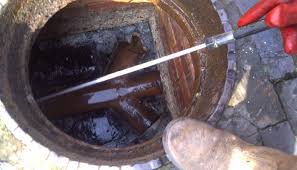
What is a Sewer Line Blockage?
Before we dive into the signs, let’s briefly understand what a sewer line blockage is. Your home’s sewer line is responsible for carrying wastewater away from your property and into the municipal sewer system. A blockage occurs when something obstructs this flow, preventing wastewater from draining properly. Blockages can be caused by various factors, including:
1. Tree Roots
Tree roots are a common cause of sewer line blockages. They can infiltrate pipes seeking moisture and nutrients, leading to clogs over time.
2. Grease Buildup
Over time, grease and fats can accumulate in your sewer line, gradually reducing its diameter and impeding the flow of wastewater.
3. Foreign Objects
Accidental flushing of foreign objects like toys, sanitary products, or excessive toilet paper can result in blockages.
4. Collapsed Pipes
Aging or damaged pipes can collapse, causing severe blockages in your sewer line.
Now, let’s explore the signs that indicate you might have a sewer line blockage:
Recognizing the Red Flags
1. Slow Drains Throughout Your Home
One of the earliest signs of a sewer line blockage is slow drainage in multiple fixtures, such as sinks, toilets, and showers. If water is backing up in one area when you use another, it’s a strong indication of a blockage.
2. Unpleasant Odors
Foul odors emanating from drains or your yard can suggest a sewer line issue. The trapped wastewater can produce a distinct and unpleasant smell.
3. Gurgling Noises
Hearing gurgling sounds from your drains when using water fixtures is a sign of air trapped in the sewer line due to blockage. It’s often heard when flushing toilets or draining sinks.
4. Sewage Backups
The most alarming sign of a sewer line blockage is sewage backing up into your sinks, bathtubs, or toilets. If you notice this, stop using water immediately and call a plumber.
5. Lush, Unexplained Lawn Patches
An unusually green and lush area in your yard, especially when the surrounding grass is dry, could indicate a sewage leak from a blocked sewer line.
Dealing with a Sewer Line Blockage
If you’ve observed any of these signs, it’s crucial to take action promptly to prevent further damage. Here’s what you should do:
- Call a Professional: Contact a licensed plumber with experience in sewer line issues. They can conduct a video inspection to determine the cause and location of the blockage.
- Avoid DIY Solutions: While it may be tempting to use chemical drain cleaners, they can exacerbate the problem or damage your pipes. Trust a professional to handle the issue safely.
- Preventative Measures: Consider regular maintenance, such as annual inspections and avoiding flushing non-biodegradable items.
- Replacement: In severe cases, a sewer line may need replacement. Your plumber will guide you through the best course of action.
Sewer line blockages are inconvenient, unsanitary, and potentially expensive to repair. By recognizing the signs early and acting promptly, you can prevent a minor issue from turning into a major plumbing disaster. Remember to enlist the help of a professional blocked drain Bristol engineer for a proper diagnosis and solution.
5 Unique FAQs
- Can a sewer line blockage clear on its own? In some cases, minor blockages may clear on their own. However, it’s risky to rely on this. It’s safer to have a plumber assess the situation.
- Are sewer line blockages covered by homeowner’s insurance? Insurance coverage can vary, so it’s essential to check your policy. Typically, it may cover damage caused by the blockage but not the repair of the blockage itself.
- What is the cost of repairing a sewer line blockage? The cost depends on the severity and location of the blockage. Minor blockages may cost a few hundred dollars, while extensive repairs or replacements can run into thousands.
- Can I prevent tree root intrusion into my sewer line? Regular tree root removal and installing root barriers can help prevent tree roots from infiltrating your sewer line.
- Are there any DIY methods to clear a sewer line blockage? DIY methods like using a sewer snake or water jetting may work for minor blockages, but it’s advisable to consult a professional for significant issues.