
Shared Drainage Responsibility
Welcome to our comprehensive guide on shared drainage responsibility. In this article, we will delve into the intricacies of drainage systems and shed light on the shared responsibilities that come with their maintenance and management. Whether you are a homeowner, a property developer, or simply curious about drainage systems, this guide will provide you with valuable insights to navigate this complex topic. We’ll cover everything from the basics of drainage systems to common challenges faced by property owners and effective solutions to address them.
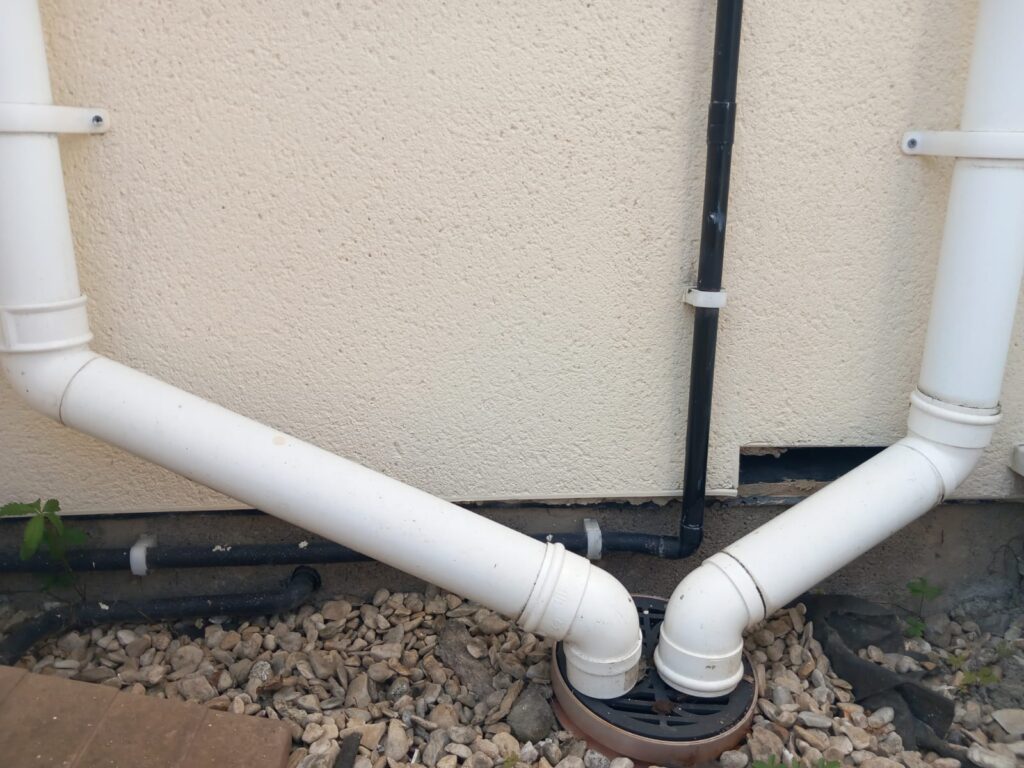
When it comes to drainage, many residents in Bristol find themselves asking, “Who exactly is responsible for this?” Whether it’s a blocked drain or an overflowing sewer, knowing who to turn to can be confusing. Understanding the Drainage responsibilities involved, especially with the complexities of shared drainage, is crucial for both property owners and tenants. This article will guide you through the intricate world of drainage responsibilities in Bristol, shedding light on the roles played by the council, homeowners, and the legal framework governing these issues.
Difference Between Private and Public Drainage Systems
In Bristol, drainage systems can be either private or public. Private drains are typically the responsibility of the property owner. If your drain is within your property’s boundaries and only serves your home, it’s likely private. Public drainage systems, on the other hand, are maintained by local authorities or utility companies, such as Wessex Water.
A drainage system is a network of pipes, channels, and structures designed to remove excess water from an area. It plays a crucial role in preventing flooding, protecting the integrity of buildings, and maintaining the overall environmental balance. A well-designed and properly maintained drainage system is essential for the safety and functionality of any property.

The Role of Bristol Council in Drainage
Bristol Council’s Drainage Responsibilities
Bristol Council plays a significant role in maintaining the public drainage infrastructure. This includes managing the network of public sewers that run beneath the city’s streets. The council works closely with utility companies to ensure that these systems function smoothly and that any issues, such as blockages or flooding, are promptly addressed.
How the Council Manages Public Drainage
The council’s approach involves regular inspections, drain maintenance work, and responding to reports of other drain problems. However, it’s important to note that the council is only responsible for public sewers and drains. Anything that falls outside this scope, particularly within private property boundaries, is generally not their responsibility.
Shared Drainage Systems in Bristol
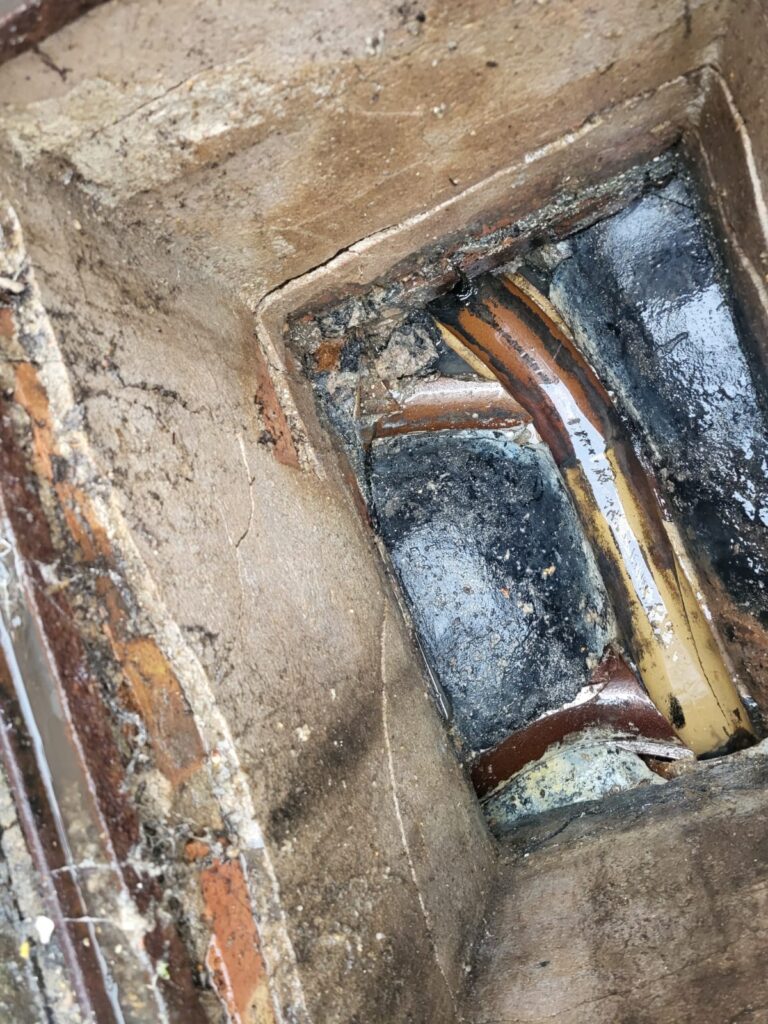
One of the primary reasons shared drainage responsibility is crucial is its role in preventing flooding and water damage. When drainage systems are not adequately maintained, water can accumulate and cause significant harm to properties and the surrounding environment. By actively participating in shared drainage responsibility, property owners can collectively mitigate the risks of flooding and protect their investments.
Shared drainage systems are those that serve more than one property. These can be particularly common in terraced houses or apartment buildings, where multiple homes share a single drainage pipe.
Who Is Responsible for Shared Drainage?
Responsibility for shared drainage can be complicated. Typically, if a drain serves more than one property, it becomes a shared responsibility. This means all the property owners using that drain may be jointly responsible for its maintenance.
Resolving Disputes Over Shared Drainage
Disputes over shared drainage responsibility are not uncommon. The best approach is often to communicate with your neighbours and try to reach a mutual agreement. In some cases, legal advice may be necessary, especially if drain repairs are needed and costs need to be shared.

The Private Drains and Sewers Act 2011
The Private Drains and Sewers Act 2011 was a significant piece of legislation that changed the landscape of drainage responsibility. Prior to the Act, homeowners were responsible for their drains up to the point they connected to the public sewer. The Act transferred responsibility for some of these private drains and sewers to water companies, reducing the burden on individual homeowners.
One of the key provisions of the Act is that drains outside your property boundary, but connected to your home, are now typically maintained by the water company. This change has been beneficial for many homeowners, as it reduces the risk and cost associated with maintaining these drains.
The Act also introduced new standards for the maintenance of drains and sewers, ensuring that water companies maintain them to a high standard. This has led to improved drainage systems across the country, including in Bristol.
Public Drainage vs Private Drainage
How to Identify If Your Drain Is Public or Private?

Identifying whether your drain is public or private can be tricky. A simple way to check is to see if the drain serves only your property and is within your boundary. If so, it’s likely private. However, if it serves multiple properties or is outside your boundary, it may be public.
Drainage Responsibilities – Public Drainage or Private Drainage
For public drains, the local water company or council is responsible for maintenance. For private drains, the responsibility lies with the property owner. Knowing this distinction can save you a lot of time and trouble when dealing with drainage issues.
Who is responsible for shared drainage systems?
Responsibility for shared drainage systems typically falls on the property owners or occupants within the area served by the system. It is essential to establish clear agreements and guidelines regarding maintenance and financial contributions to ensure a fair distribution of responsibility.
How often should drainage systems be inspected?
Ideally, drainage systems should be inspected at least once a year to identify potential issues and prevent major problems. However, the frequency of inspections may vary depending on the specific circumstances and the recommendations of drainage professionals.
Can I make modifications to the shared drainage system?
Modifications to shared drainage systems should be approached with caution and adhere to local regulations. It is recommended to consult with Blocked Drains Bristol and obtain the necessary permits before making any modifications. Unauthorized alterations can compromise the system’s functionality and lead to legal issues.
How can I ensure a fair distribution of shared drainage responsibility?

To ensure a fair distribution of shared drainage responsibility, it is important to establish clear agreements and guidelines among property owners. This may involve determining proportional financial contributions based on property size or usage and establishing a drainage maintenance schedule that considers the system’s load distribution.
What are the consequences of neglecting shared drainage responsibility?
Neglecting shared drainage responsibility can have severe consequences, including increased risk of flooding, property damage, and environmental harm. Failure to fulfill maintenance obligations may also result in disputes among property owners and potential legal ramifications.