
Signs of a Blocked Storm Drain
When the skies open up and rain pours down, we expect our storm drains to work seamlessly, preventing flooding and water damage. However, over time, these essential components of our urban infrastructure can become clogged and inefficient. In this article, we will explore the signs of a blocked storm drain and how to address this issue promptly in dealing with Blocked Drains Bristol.
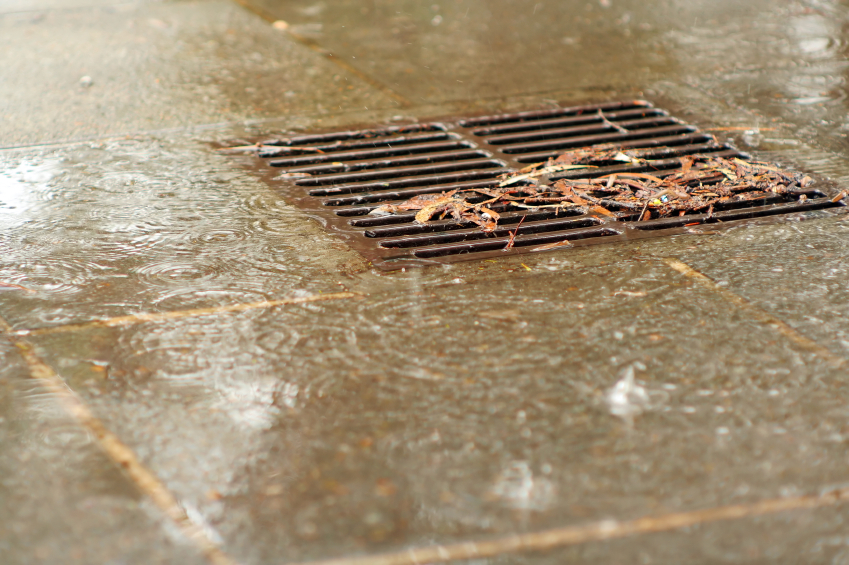
A clogged storm drain can lead to serious problems if not addressed promptly. The most common signs include slow drainage, standing water around the drain, and unpleasant odours emanating from the area.
Understanding Storm Drains
Storm drains are a crucial part of the infrastructure that helps manage rainwater and prevent flooding in urban areas. They are designed to swiftly transport rainwater from streets, parking lots, and other surfaces to a safe location, typically a drainage system or a natural water body.
Common Causes of Blockages in Storm Drains
Before diving into the signs of a blocked storm drain, it’s essential to understand what causes these in Storm Drains in the first place. Several factors contribute to the obstruction of storm drains, including:
- Debris: Leaves, twigs, trash, and sediment can accumulate over time, restricting water flow.
- Sediment Buildup: The gradual buildup of sand and dirt in the drain can impede water passage.
- Roots: Tree roots can infiltrate drainage pipes, causing blockages and damage.
- Grease and Oil: In commercial areas, grease and oil can solidify in the pipes, causing blockages.
- Collapsed Pipes: Aging or damaged pipes can collapse, obstructing the flow of water.

Visual Indicators of a Blocked Storm Drain
One of the easiest ways to spot a blockage is by looking for debris accumulation around the drain. If you notice leaves, dirt, or other materials building up, it’s a sign that water isn’t flowing through as it should.
- Puddles and Water Accumulation: One of the most apparent signs of a blocked storm drain is the presence of large puddles or water accumulation around the drain. When water cannot flow through the drain as intended, it pools on the surface, potentially causing flooding.
Audio Cues of a Blocked Storm Drain
Unusual noises coming from your drainage system, such as gurgling sounds, can indicate a blockage. These noises occur when water struggles to pass through the clogged area, creating air bubbles that produce the sound.
- Unusual Sounds: Listen for unusual sounds near the storm drain during heavy rain. Gurgling or bubbling noises may indicate that water is struggling to pass through the obstruction.

Smells and Other Sensory Blocked Storm Drain Indicators
A foul smell near your drain is another tell-tale sign of a blockage. As organic material decomposes, it releases gases that can produce unpleasant odours. Additionally, dampness or a musty smell in the area can suggest water isn’t draining properly. Blocked storm drains can emit unpleasant odors due to stagnant water and debris accumulation. If you notice foul smells near the drain, it’s a clear sign that something is amiss.
Slow Drainage is another sign of a Blocked Storm Drain
A slow drainage rate during rainfall is another red flag. If the water takes longer than usual to disappear after a downpour, your storm drain may be partially or completely blocked.
How do you unblock a storm drain?
If you suspect your storm drain is blocked, it’s essential to address the issue promptly to prevent further damage and inconvenience. Recognising the signs of a clogged storm drain early can save you from costly repairs and potential water damage. Regular maintenance, combined with a bit of know-how, can keep your drainage system running smoothly for years to come. Call our blocked storm drain specialists to unblock your storm drain.

DIY Methods for unblocking a storm drain
For minor blockages, you can try the following DIY methods:
- Remove Debris: Safely clear away leaves, twigs, and trash from the drain’s surface.
- Use a Plunger: In some cases, a plunger can help dislodge minor blockages.
- Pour Hot Water: Pouring hot water down the drain may help melt grease and clear minor obstructions.
Professional Storm Drain Unblocking Assistance
For significant blockages or damaged pipes, it’s best to seek Blocked Drain Bristol assistance. Drainage experts have the tools and knowledge to tackle complex issues safely and effectively.
Storm Drain Maintenance
Prevention is always better than cure. Here are some preventive measures to keep your storm drain in good working condition:
- Regular Storm Drain Inspections – Schedule routine inspections to catch and address blockages or damage early. Prompt action can prevent costly repairs. Inspecting your storm drain doesn’t require professional expertise, but it does take some caution. Start by checking the area around the drain for visible debris. Use a flashlight to look inside the drain for any obstructions. If you can’t see anything but suspect a blockage, gently use a plumbing snake to probe the drain.
- Proper Disposal – Dispose of waste and hazardous materials in designated bins, not down storm drains. This simple step can go a long way in maintaining a clean drainage system.

A blocked storm drain can lead to property damage and inconvenience, but by understanding the signs and taking proactive measures, you can ensure that your drainage system works efficiently, even during heavy rainfall.
How often should I inspect my storm drain?
Regular inspections every six months are recommended to catch potential issues early.
Can tree roots really damage storm drains?
Yes, tree roots can infiltrate pipes, leading to blockages and damage.
What should I do if I encounter a persistent blockage?
If DIY methods fail to clear the blockage, it’s best to call a professional drainage service.
Are there eco-friendly ways to maintain storm drains?
Yes, using eco-friendly cleaning products and disposing of waste properly can help maintain a clean drainage system.

Can a blocked storm drain cause property damage?
Yes, prolonged storm drain blockages can lead to flooding and property damage if not addressed promptly.
Can a clogged storm drain cause flooding?
Yes, a clogged storm drain can cause water to back up, leading to flooding in the surrounding area. This can damage property and infrastructure, making it essential to address any blockages promptly.
Read about French drain installation.
What should I do if I suspect my storm drain is clogged?
If you suspect your storm drain is clogged, start by inspecting it for visible debris. If the blockage isn’t obvious or if you’re unable to clear it yourself, it’s best to call in a professional to avoid causing further damage.
In this article, we’ve explored the signs of a blocked storm drain, the common causes of blockages, and the importance of regular maintenance. By staying vigilant and taking preventive measures, you can ensure that your storm drain functions efficiently and protects your property from the perils of heavy rainfall.