
Can I Use Baking Soda and Vinegar to Clear a Clog?
When it comes to household problem-solving, we often turn to the items in our kitchen pantry before reaching for expensive chemicals or calling a plumber. One common issue that many homeowners encounter is a clogged drain. The question on many people’s minds is, “Can I use baking soda and vinegar to clear a clog?” In this Baking Soda and Vinegar to Clear a Clog article, Bristol Blocked Drains will explore this popular DIY remedy and determine whether it’s an effective solution for tackling those stubborn drain blockages.

To comprehend whether baking soda and vinegar can clear a clog effectively, it’s essential to understand the science behind this age-old remedy. Baking soda (sodium bicarbonate) is a mild abrasive that can help break down debris and grease in the pipes. Vinegar (acetic acid), on the other hand, is known for its effervescent properties when combined with baking soda. This fizzing action can create pressure and agitation within the drain, potentially dislodging the clog.
Heat can also play a crucial role in the effectiveness of this method. Hot water, when used in conjunction with baking soda and vinegar, can further aid in dissolving grease and loosening the clog.
What Does Baking Soda and Vinegar Do to a Clogged Toilet?
Baking soda and vinegar are popular choices for unclogging toilets due to their natural cleaning properties. When you pour baking soda into the toilet, followed by vinegar, the reaction that occurs helps to break down the clog. The fizzing action, along with the slight pressure it creates, can help to dislodge the material causing the blockage.
Step-by-Step Guide on unclogging a toilet with Baking Soda and Vinegar:
- Pour about one cup of baking soda into the toilet bowl.
- Slowly add one to two cups of vinegar.
- Allow the mixture to fizz and bubble for about 30 minutes.
- Flush the toilet to see if the clog has cleared.
- If necessary, repeat the process or use a plunger to help remove stubborn clogs.

Precautions of toilet unclogging with Baking Soda and Vinegar:
- Avoid using too much vinegar, as it can create excess pressure in the pipes.
- Always flush with hot water afterward to help clear any remaining debris.
Will Vinegar and Baking Soda Dissolve Hair Clogged in a Drain?
Hair clogs are among the most stubborn and frustrating blockages in drains. While baking soda and vinegar can help, their effectiveness is somewhat limited when it comes to dissolving hair. The fizzing action may break down some of the build-up around the hair, but it typically won’t completely dissolve it.
Tips for Vinegar and Baking Soda for Hair Clogs:
- Use a drain snake or a hair removal tool before applying the baking soda and vinegar.
- After using baking soda and vinegar, follow up with boiling water to help loosen and flush the hair down the drain.
What is the Ratio of Baking Soda to Vinegar to Clean a Drain?
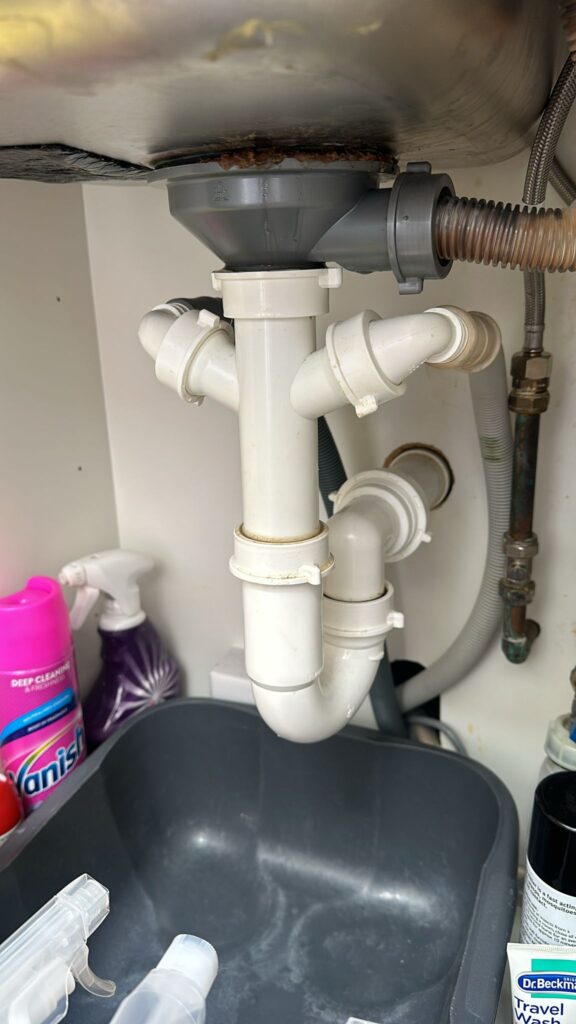
The ratio of baking soda to vinegar is crucial for achieving the best results. A common and effective ratio is 1:2, meaning one part baking soda to two parts vinegar. This ratio provides enough acid to react with the baking soda, creating a strong fizzing action that helps to break down clogs.
Adjustments Based on Drain Clog Severity:
- For minor drain clogs, use half a cup of baking soda and one cup of vinegar.
- For more severe drain clogs, increase to one cup of baking soda and two cups of vinegar.
- Always ensure to flush with plenty of hot water after the reaction.
How to Use Baking Soda and Vinegar to Unclog a Drain?
Step-by-Step Process on using Baking Soda and Vinegar to Unclog a Drain:
- Pour half a cup of baking soda down the drain.
- Follow with one cup of vinegar.
- Cover the drain with a plug or cloth to keep the reaction concentrated within the pipe.
- Wait 15-30 minutes for the mixture to work on the clog.
- Flush the drain with boiling water to clear any remaining debris.
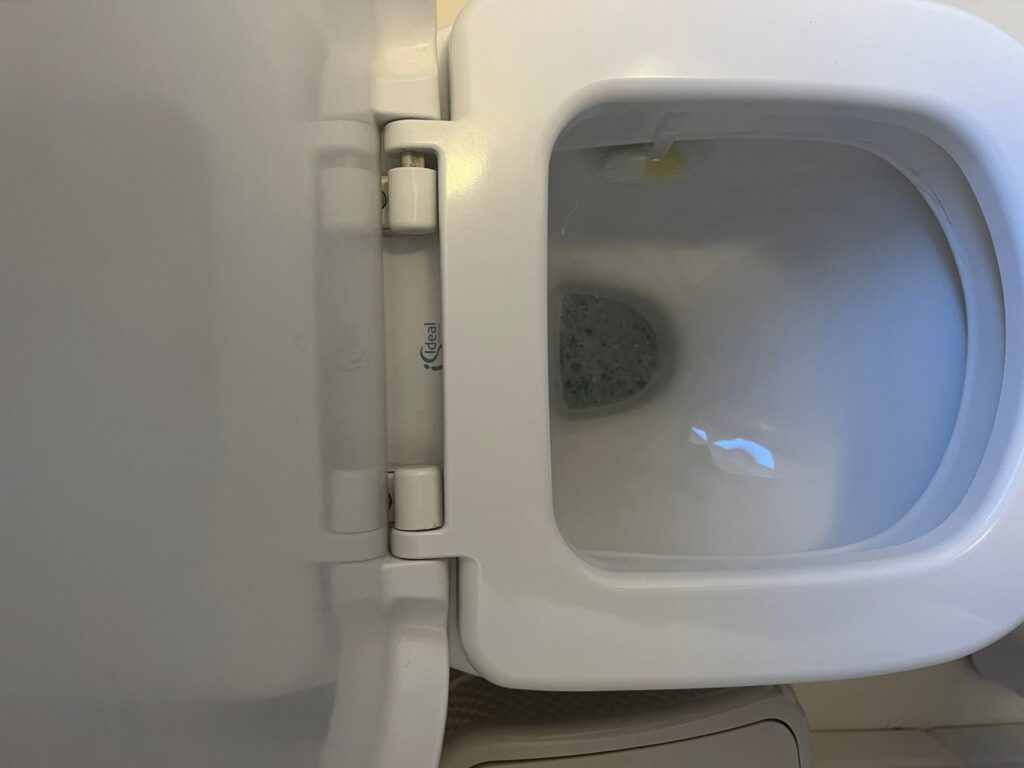
Common Mistakes to Avoid when unclogging a drain with Baking Soda and Vinegar:
- Don’t use baking soda and vinegar on already heavily treated drains, as chemical residues can interfere with the reaction.
- Avoid using cold water to flush the drain after the reaction, as it can solidify fats and grease.
Homemade Drain Cleaner Without Baking Soda
If you’re out of baking soda or prefer a different approach, there are other homemade solutions for drain cleaning you can try.
Alternative Ingredients for cleaning drains:
- Salt and Vinegar: Mix half a cup of salt with one cup of vinegar. Pour the mixture down the drain and let it sit for 15-30 minutes before flushing with boiling water.
- Borax and Lemon Juice: Combine half a cup of borax with half a cup of lemon juice. Pour the mixture down the drain, let it sit, and flush with hot water.
Homemade Drain Cleaner Effectiveness:
- These Drain Cleaner alternatives can be effective but may not work as quickly as baking soda and vinegar. They are best suited for regular drain maintenance rather than clearing severe drain clogs.

Does Baking Soda and Vinegar Really Unclog Drains?
The effectiveness of baking soda and vinegar in unclogging drains is a topic of debate. While many people swear by this drain unclogging method, it’s not always a guaranteed fix, especially for severe drain clogs.
Baking Soda and Vinegar for drain unclogging Success Stories:
- Many users report success with minor drain clogs, particularly in bathroom sinks and showers.
- The drain unclogging method is praised for being eco-friendly and cost-effective.
Unclogging drains with Baking Soda and Vinegar Limitations:
- Baking soda and vinegar are less effective on drain clogs caused by grease, oils, or heavy mineral deposits.
- They may require multiple applications to clear tougher drain clogs.
When to Use Baking Soda and Vinegar?

- For minor drain clogs: Baking soda and vinegar can be a suitable solution for minor drain clogs. These could be caused by hair, soap scum, or small debris that has accumulated in the pipes.
- Preventive drain maintenance: Regularly using this drain unclogging method as a preventive measure can help keep your drains running smoothly and prevent the buildup of small obstructions.
How to Use Baking Soda and Vinegar to Clear a Clog?
Step-by-step guide on using Baking Soda and Vinegar to Clear a Clog:
- Start by boiling a pot of water and carefully pour it down the clogged drain to soften any grease or debris.
- Next, sprinkle about 1/2 cup of baking soda into the drain.
- Follow the baking soda with a mixture of 1 cup of vinegar and 1 cup of hot water.
- Immediately cover the drain with a stopper or a cloth to trap the fizzing action within the pipes.
- Let it sit for 10-15 minutes to allow the chemical reaction to work.
- Finally, flush the drain with hot water to clear away any remaining residue.
The combination of baking soda and vinegar can be a handy DIY remedy for minor drain clogs. Its effectiveness lies in the chemical reaction and fizzing action that can help break down debris and grease. However, it’s not a one-size-fits-all solution and may not work for severe clogs or damage older pipes. As with any home remedy, it’s essential to use it judiciously and consider seeking professional blocked drain Bristol engineer help when needed.