
How to Prevent Frozen Drainage Pipes in Winter: A Comprehensive Guide
Winter can be a beautiful and serene season, but it also brings along its fair share of challenges, one of which is dealing with frozen drainage pipes. When the temperatures drop, the water inside your drainage system can freeze, leading to clogs, bursts, and costly repairs. In this article, we will discuss effective strategies to prevent frozen drainage pipes in winter. By following these tips, you can ensure that your plumbing system stays in top shape throughout the cold months.
Understanding the Problem
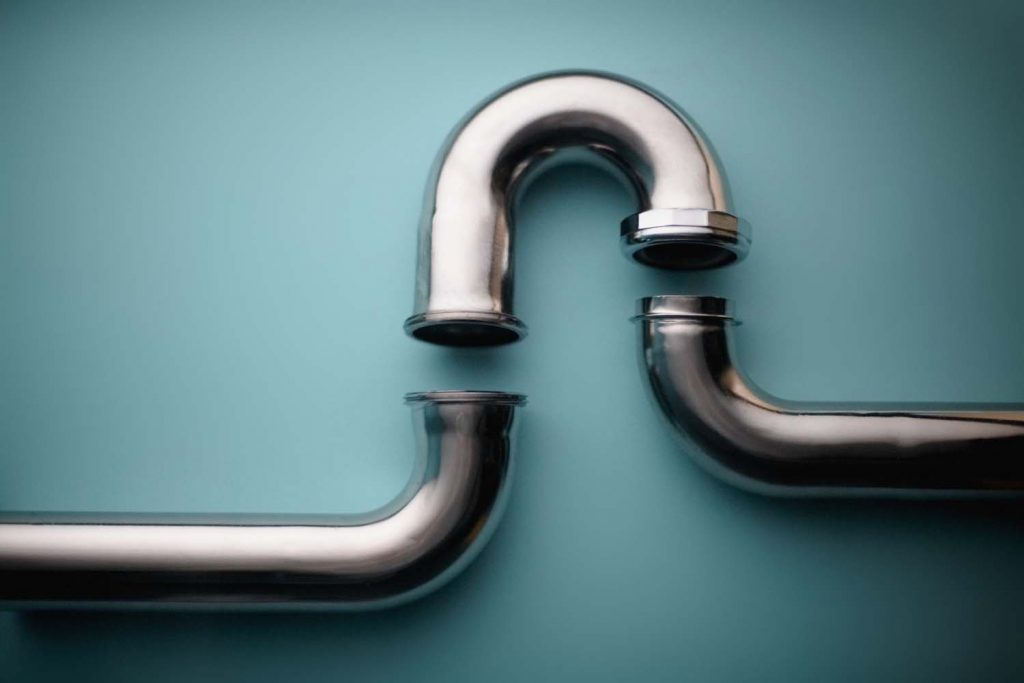
Why Do Drainage Pipes Freeze?
Frozen drainage pipes occur when the water inside them freezes due to cold temperatures. This can happen in both indoor and outdoor pipes. When water freezes, it expands, creating pressure within the pipes. This pressure can lead to cracks or even burst pipes, causing water damage to your property.
Preparing Your Home for Winter
Insulating Exposed Pipes
One of the first steps in preventing frozen drainage pipes is to insulate any exposed pipes. Use pipe insulation sleeves or wrap pipes with heat tape to provide an extra layer of protection against the cold.
Sealing Leaks and Cracks
Inspect your plumbing system for any leaks or cracks, especially in areas prone to drafts. Seal these openings with caulk or insulation to prevent cold air from entering and freezing the water inside.
Keeping Interior Spaces Warm
Ensure that the temperature inside your home remains consistent, especially in areas where pipes are located. Use proper insulation and keep your heating system well-maintained to prevent drastic temperature drops.
Exterior Pipe Protection
Drainage Pipe Insulation
For outdoor drainage pipes, consider using foam pipe insulation or heat-resistant materials. This will help maintain a stable temperature and prevent freezing.
Using Pipe Heating Cables
Pipe heating cables can be wrapped around exterior pipes to provide consistent warmth. These cables are designed to automatically turn on when temperatures drop, preventing freezing.
Snow and Ice Management
Removing Snow Accumulation
Regularly remove snow and ice buildup around your drainage pipes. Snow can act as an insulator, trapping cold air and causing pipes to freeze. Keep the area clear to allow proper heat circulation.
Ice Melt Products
Apply ice melt products to the area surrounding your drainage pipes. These products can help prevent ice formation and keep the area around the pipes ice-free.
Regular Maintenance
Dripping Faucets
During particularly cold nights, allow a slight trickle of water to flow through your faucets. This continuous movement of water can help prevent freezing.
Running Hot Water
Occasionally run hot water through your drainage system to maintain a warmer temperature within the pipes.
Emergency Steps
Thawing Frozen Pipes
If you suspect that your drainage pipes have frozen, you can attempt to thaw them using a hairdryer or heating pad. However, exercise caution and avoid using open flames.
Calling a Professional
If your efforts to thaw frozen pipes are unsuccessful, it’s crucial to call a professional blocked drain Bristol engineer immediately to prevent further damage.
Preventing frozen drainage pipes in winter requires proactive measures, from insulation to regular maintenance. By following these steps, you can safeguard your plumbing system and avoid the inconvenience and expense of dealing with frozen pipes.
FAQs
- Can frozen drainage pipes burst? Yes, when water inside frozen pipes expands, it can lead to cracks or bursts, causing significant damage.
- How can I tell if my drainage pipes are frozen? Signs of frozen pipes include reduced water flow or no water coming from faucets and unusual noises from the plumbing system.
- Are there DIY methods to thaw frozen pipes? You can attempt to thaw frozen pipes using a hairdryer or heating pad, but it’s often safer to call a professional plumber.
- What should I do if a pipe bursts due to freezing? Turn off the water supply to the affected area, and call a plumber immediately to repair the pipe.
- Is it necessary to insulate indoor drainage pipes? Yes, indoor pipes can also freeze, so insulating them is a preventive measure to consider.
Remember, taking proactive steps to prevent frozen drainage pipes can save you from the hassle and expenses of dealing with plumbing issues during the winter months.