
How to Improve Garden Drainage: A Comprehensive Guide
Having a beautiful garden is a source of joy for many homeowners, but maintaining its health and vitality requires attention to detail. One critical aspect that often goes overlooked is proper garden drainage. In this article, we will explore the various methods and techniques to improve the drainage in your garden, ensuring your plants thrive and your outdoor space remains a lush oasis.
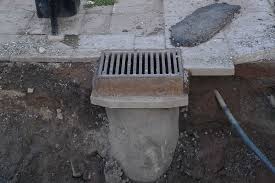
Why Is Garden Drainage Important?
Before we delve into the solutions, it’s crucial to understand why good drainage is essential for your garden. Poor drainage can lead to several problems, including:
1. Waterlogged Soil
When water doesn’t drain properly, your soil becomes waterlogged. This deprives plant roots of oxygen, leading to root rot and other diseases.
2. Erosion
Excess water runoff can cause soil erosion, which washes away essential nutrients and damages your garden’s aesthetic appeal.
3. Stagnant Puddles
Puddles of water can become breeding grounds for mosquitoes and other pests, posing a threat to your garden and your health.
Assessing Your Garden’s Drainage
Before implementing any improvements, it’s essential to assess your garden’s current drainage situation. Here are some steps to follow:
1. Observe After Rainfall
After a heavy rain, take note of areas where water accumulates or takes a long time to drain. These are your trouble spots.
2. Soil Percolation Test
Perform a soil percolation test by digging a hole and filling it with water. Measure how long it takes for the water to drain. Slow drainage indicates poor soil permeability.
3. Evaluate Slope
Check the slope of your garden. Ideally, it should slope away from your house to prevent water from pooling near your foundation.
Improving Garden Drainage
Now that you’ve assessed your garden’s drainage issues, let’s explore how to improve it effectively.
1. Install a French Drain
A French drain is a gravel-filled trench that redirects water away from problem areas. It’s an excellent solution for dealing with waterlogged soil.
2. Raised Garden Beds
Consider raised garden beds, especially if your soil has poor drainage. They provide better control over soil quality and drainage.
3. Amending Soil
Add organic matter like compost to your soil to improve its structure and drainage capacity.
4. Mulch
Mulching not only conserves moisture but also helps control drainage by preventing excessive water runoff.
5. Rain Barrels
Collect rainwater in barrels to reduce the amount of runoff in your garden and use it for watering plants.
6. Proper Plant Selection
Choose plants that thrive in your garden’s specific conditions, including its drainage capabilities.
7. Grading and Sloping
If possible, regrade your garden to ensure water flows away from your home. This prevents water from seeping into your foundation.
A well-drained garden is the key to a thriving outdoor space. By assessing your garden’s drainage issues and implementing the appropriate solutions, you can create an environment where your plants flourish, and you can enjoy your garden without worrying about water-related problems.
Frequently Asked Questions
1. How do I know if my garden has poor drainage?
If you notice puddles that persist long after rainfall, or your plants are wilting despite regular watering, you may have poor drainage.
2. What is the purpose of a French drain?
A French drain helps redirect excess water away from problem areas in your garden, preventing waterlogging and associated issues.
3. Can I improve garden drainage without professional help?
Yes, many garden drainage improvements can be DIY projects. However, for extensive issues, consulting Blocked Drain Bristol may be advisable.
4. Is it essential to slope my garden away from the house?
Sloping your garden away from your house is essential to prevent water from pooling near the foundation, which can lead to structural damage.
5. How often should I water my garden with rainwater from barrels?
The frequency of watering with rainwater depends on your garden’s specific needs. Monitor soil moisture and water when necessary to avoid overwatering.